
The Familiar Fragility of Ordinary Days
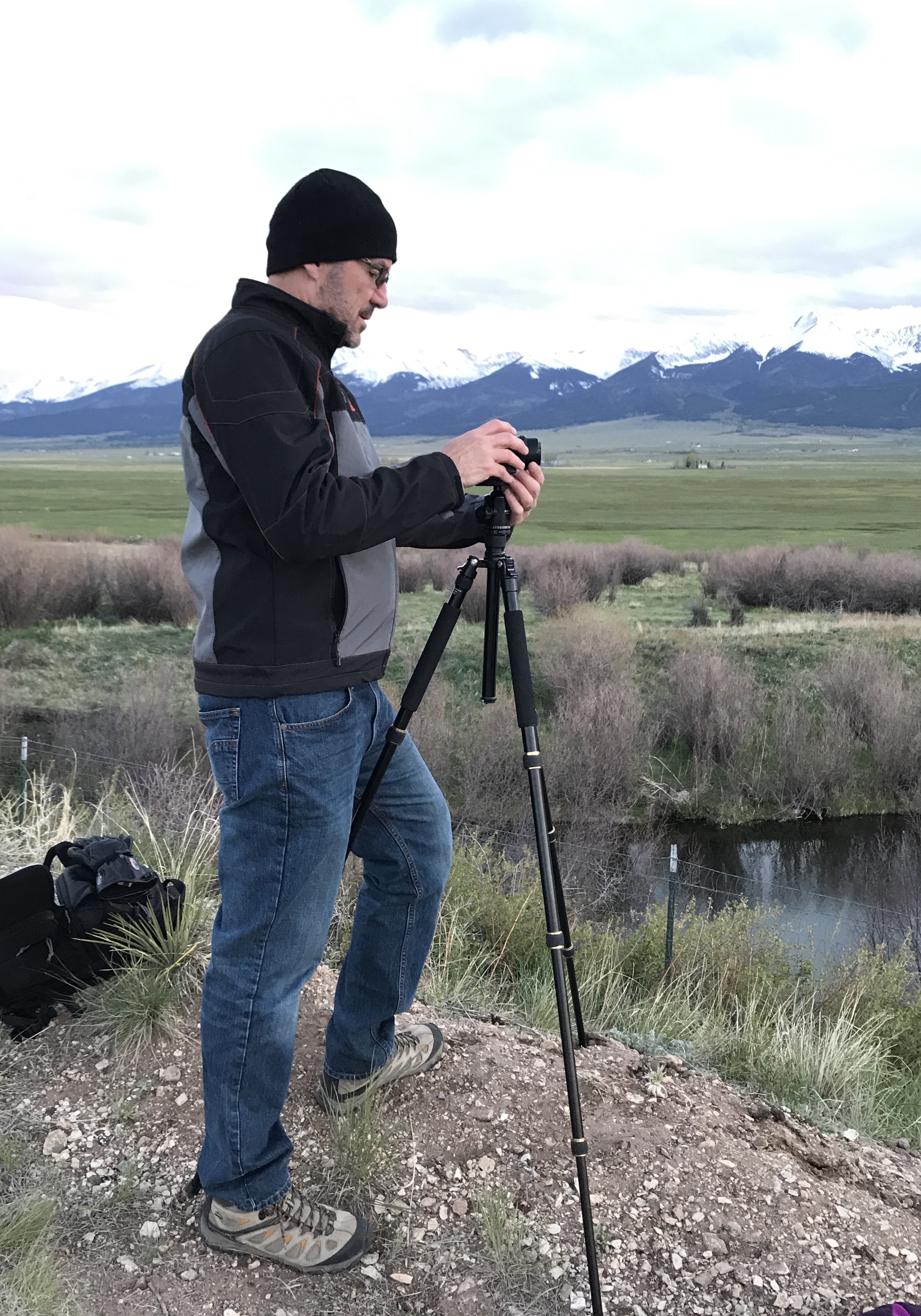
Confronting the fragility of mind, body, and certainty.

It was dinner time when Marilyn pulled our RV up in front of our home in Colorado. The sun was already slipping behind the foothills, and after eleven and a half hours on the road from Sweetwater, Texas, the familiar outline of our house felt almost unreal. It marked the end of a two-and-a-half-month, forty-five-hundred-mile adventure that had carried us from winter in Colorado to the warmth of Florida and back again.
We had left in early January chasing sunlight and a change of rhythm. Much to our surprise, there were many days when it was colder in Florida than it was back home. Still, the trip was worth every mile. We reconnected with friends we had not seen in years and spent time with my cousins, an experience I wrote about in my last essay, Where Are You From?
On the way back, we stopped in New Braunfels, Texas, to visit my sister-in-law, also named Marilyn just to keep the story interesting, along with her daughter Christy and her children, James and Madison. It was a warm and welcome pause in the long drive home.
As much as I enjoyed the journey, I felt a quiet comfort when we finally stepped through our own front door. Skye’s behavior captured the feeling perfectly as she ran from room to room checking that her toys were still scattered where she had left them, her bed still in front of the fireplace, and her backyard unchanged. After weeks of movement and uncertainty, there is a deep reassurance in the familiarity of home.
The next morning, while we were emptying and cleaning the RV before putting it to rest in the storage lot, I received an email from my sister-in-law. The subject line read, “Fw: Brain Donation – Report and Letter.” It was the final neuropathology report from the examination of my brother Mike’s brain.
We had known the report was coming, but nothing prepared me for the experience of hearing my computer read it aloud in its steady, mechanical voice.
“Our detailed examination of Mr. Monnette’s brain has revealed changes consistent primarily with diffuse Lewy body disease, in combination with intermediate Alzheimer’s disease and moderate levels of cerebrovascular disease…”
The words continued, precise and unemotional, describing proteins, plaques, and the slow unraveling of the organ that had once carried my brother’s thoughts, memories, and personality.
The best word I can find for what I felt as I listened is numb. I pictured his brain on a stainless-steel lab bench in San Antonio, reduced to a specimen measured, weighed, and dissected. That is not my brother, I told myself. He is gone. This is simply what remains. The logic was clinical and clear. Emotionally, I felt as if I were grasping at something elusive, trying to make meaning from what I could not yet understand.
In the days that followed, I returned again and again to that image of the lab bench. It stayed with me not only because of what it revealed about my brother’s illness, but because of what it stirred in me. Mike and I shared more than genetics and history. We also shared the gradual loss of vision that shaped our later years, a condition testing confirmed was linked to a gene we both carried.
Reading about the pathology of his brain awakened a quiet fear I had long tried to keep at bay. What other vulnerabilities might we share? It brought into sharper focus just how fragile the capacities we rely on every day really are. I have learned to adapt to seeing less clearly, to normalize it, even to joke about it. Yet when we first returned home from our trip, I found myself standing in my own kitchen unsure which cabinet held the plates or where to put the silverware I had just taken from the dishwasher.
Now, as I sit writing this essay and working on my novel, I suspect those moments were more likely the residue of travel fatigue than signs of cognitive decline. Still, they point to something important. We tend to take the abilities that shape our daily lives for granted until they begin to falter. It is often through that faltering that the impermanence of life comes into focus in a way philosophy alone rarely achieves.
For me, the loss of vision has never arrived all at once. It has come quietly, in small adjustments that were easy to dismiss at first. A dimmer room here. A missed detail there. The need to hold a menu closer to the light or pause an extra moment to recognize a face across a crowded space. Over time, these accommodations became routine, almost invisible.
My brother’s vision began to deteriorate years before mine and long before anyone understood that something deeper was unfolding with his cognition. He joked that he kept buying brighter and brighter reading lamps for the chair where he liked to sit, until the power company started wondering if he was running a grow house. It was his way of laughing at the first hint that something was wrong.
Reading about the deterioration of his brain brought those memories into sharper focus. It showed me how easily we normalize gradual loss, even as it quietly reshapes not only our own lives, but the lives of those closest to us.
It is increasingly clear to me these days that this pattern extends far beyond vision or cognition. We move through our lives assuming a kind of stability that has never been promised. We trust that our bodies will cooperate, that our minds will remain reliable, that the people we love will continue to occupy their familiar places in our world. Only when something begins to change do we realize how much of our sense of self and security rests on assumptions we rarely notice or question.
Listening to the report about my brother’s brain forced me to confront that reality more directly than I ever had before. The clinical language described a process that had been unfolding long before any of us fully understood what was happening. In the same way, my own vision loss had been teaching me, in smaller and less dramatic ways, that life does not shift all at once. It erodes, adapts, and rearranges itself gradually, often so slowly that our life begins to adapt long before we are even aware of the change.
Then, this morning, I found myself reflecting on an idea from a book I had been listening to late the night before, when sleep would not come. The author suggested that we often recognize the true value of what we have only when we begin to lose it. In some Buddhist traditions, practitioners are encouraged to contemplate their own deaths, not to dwell on the morbid, but to become more aware of life’s fragility and, in that awareness, discover a deeper appreciation for the present moment. He used the metaphor of a hand suddenly injured and unusable, revealing how much we take for granted in the simple act of picking something up. His reflections did not feel abstract to me. I had lived a version of that truth myself, and I had watched it unfold in my brother’s life as well.
Moments like these have taught me that what we experience each day is neither guaranteed nor permanent. Facing that reality, however unsettling, can deepen our appreciation for the time and connection we still have with others.
Loss has a quiet way of reminding us to notice what we once took for granted: the ability to see clearly, to think clearly, and to appreciate the simple act of taking a quiet breath.
If something here felt familiar, or resonated with you,, I’d love to hear your thoughts, or have you share it with someone who might appreciate it.


Comments